
Safe, Professional Asbestos Ceiling Removal for Your Home or Business
Asbestos ceiling materials are one of the most common sources of hidden asbestos in older homes and commercial buildings across Upstate South Carolina. Textured ceilings, popcorn ceilings, ceiling tiles, and insulation coatings often contain asbestos that becomes dangerous when disturbed. If your ceiling is cracking, flaking, water-damaged, or part of an upcoming renovation, safe removal becomes urgent. Our team at Asbestos Removal Greenville specializes in ceiling-specific abatement, giving you clear answers, safe handling, and a stress-free process from start to finish.
Why Asbestos in Ceilings Requires Immediate Attention
Ceilings are among the highest-risk asbestos locations because damaged material can shed fibers into the air without being touched. Water damage, settling, or aging texture can cause asbestos-containing materials to break down. Once disturbed, these fibers become airborne and can spread throughout an entire room or HVAC system.
Our first priority is to help you understand the condition of your ceiling and whether removal is necessary. We take the time to assess the material, explain your options, and walk you through every step with clear, simple guidance.
Understanding Where Ceiling Asbestos Is Commonly Found
Popcorn Ceilings (Textured Ceilings)
Homes built between the 1950s and 1980s commonly used asbestos-containing compounds to create textured ceilings. These ceilings may look harmless, but scraping or sanding them without proper safety methods can release fibers instantly.
Ceiling Tiles & Panels
Acoustical tiles, drop-ceiling panels, and older commercial ceiling materials often contain asbestos. Removing or replacing tiles without proper containment can contaminate the entire workspace.
Spray-On Insulation & Fireproofing
Certain commercial structures used asbestos-based spray coatings for insulation or fire protection. These materials are fragile and extremely hazardous when disturbed.
Our Step-By-Step Ceiling Removal Process
1. Inspection & Material Verification
Before any removal begins, we identify the specific ceiling materials in your space. If needed, we arrange laboratory testing to confirm asbestos content.
2. Containment & Safety Setup
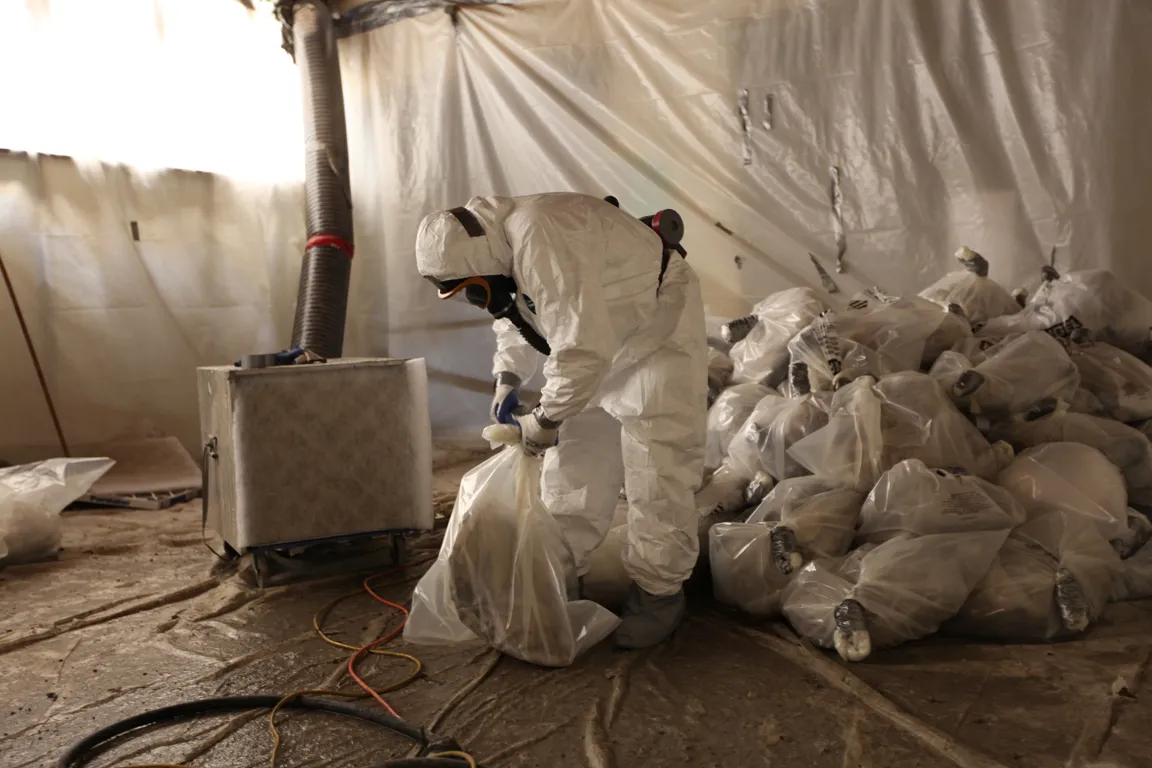
We isolate the work area with full containment, negative-air systems, and air filtration to prevent fiber spread. Floors, vents, and nearby surfaces are fully sealed.
3. Careful Removal of Asbestos Ceiling Material
Using industry-approved methods, our trained technicians remove ceiling texture, tiles, or panels while keeping fibers contained. Every movement is deliberate and focused on safety.
4. Cleanup & HEPA Vacuuming
We clean the space thoroughly, using HEPA vacuums and wet-wiping techniques to remove all dust and residue.
5. Final Clearance & Air Quality Checks
Before we leave, we ensure the area is safe for re-entry. Many customers choose optional third-party clearance testing for added peace of mind.
When Should You Consider Asbestos Ceiling Removal?
You may need removal if:
- Your ceiling texture is peeling or damaged
- You plan to scrape, repaint, or remodel the ceiling
- The ceiling has water damage or staining
- Tiles or panels are loose, sagging, or breaking
- Your HVAC system has been circulating debris from the ceiling
Because ceilings hang above living spaces, even minor deterioration can become a health concern. We help you decide the safest path forward based on your home’s condition.
How Long Does Ceiling Removal Take?
In most cases, asbestos ceiling removal can be completed in one to three days depending on the room size, ceiling type, and amount of material involved. We work efficiently while maintaining strict safety standards, minimizing disruption to your daily routine.
We’ll give you a clear timeline before any work begins so you know exactly what to expect.
What You Can Expect the Day of Removal
Clear Communication Before We Begin
Our crew arrives on time, walks you through the plan, and answers questions so you feel confident about the process.
Complete Containment of the Work Area
We set up protective barriers, floor coverings, ventilation controls, and sealed entry points.
Noise & Access Considerations
You can expect some equipment noise, but we work as quietly as possible. Depending on the setup, you may need to avoid the area for the day.
Thorough Cleaning After Removal
We leave your home as clean as possible, ready for the next step in your renovation—whether repainting, resurfacing, or replacing the ceiling entirely.
Why Choose Asbestos Removal Greenville?
Local Team with Decades of Experience
Our crew understands the building styles and construction materials common in Greenville and across Upstate South Carolina. We’ve removed asbestos ceilings in everything from mid-century ranch homes to commercial offices and historic buildings.
Safety-First Approach
Ceiling removal is one of the most sensitive types of abatement work. We follow strict state and federal guidelines to ensure your home stays safe from contamination.
Clear, Honest Communication
We explain everything in straightforward terms—no jargon, no confusion. You’ll always know what we’re doing and why.
Respect for Your Home
We treat every workspace with care, protecting floors, walls, and furniture throughout the process. Your comfort and trust matter to us.
Cost of Asbestos Ceiling Removal
The cost varies depending on:
- Square footage of ceiling material
- Type of ceiling (popcorn, tiles, panels, etc.)
- Height and accessibility
- Condition of the material
- Whether testing is required
Most projects fall within a predictable range, and we provide clear written estimates so you can make informed decisions without pressure.
Who We Serve
We proudly help:
- Homeowners renovating older properties
- Landlords and property managers handling repairs
- Commercial building owners updating aging spaces
- Families dealing with unexpected damage
No matter the age or size of your building, we tailor our approach to your specific needs.
Ready to Remove Asbestos from Your Ceiling?
Removing an asbestos ceiling is not a DIY project—it requires specialized training, equipment, and containment. When you’re ready to make your home safer, cleaner, and renovation-ready, our team is here to help.